Table of Contents (13 sections)
Influencer marketing has evolved significantly over the years, driven by changes in technology, consumer behavior, and marketing strategies. As we look towards 2026, it's essential to identify the key trends that will shape this dynamic field. In this article, we will explore ten major influencer marketing trends that brands and marketers should watch closely.
1. Increased Focus on Micro and Nano-Influencers
The trend toward using micro and nano-influencers, those with smaller yet highly engaged followings, continues to gain momentum. In 2026, brands are increasingly recognizing that influencers with fewer than 10,000 followers often yield higher engagement rates than their macro counterparts. According to a report by UFC-Que Choisir (2025), brands that collaborated with micro-influencers saw an average engagement rate of 7%, compared to just 1.5% for influencers with over 100,000 followers.
This trend highlights the importance of authenticity; consumers often perceive micro-influencers as more relatable and trustworthy. Enhanced community engagement and the tailored content that micro and nano-influencers can offer allow for deeper connections with target audiences. Brands should consider developing long-term relationships with these influencers to foster genuine brand loyalty, increasing conversions over time.
2. Rise of Video Content
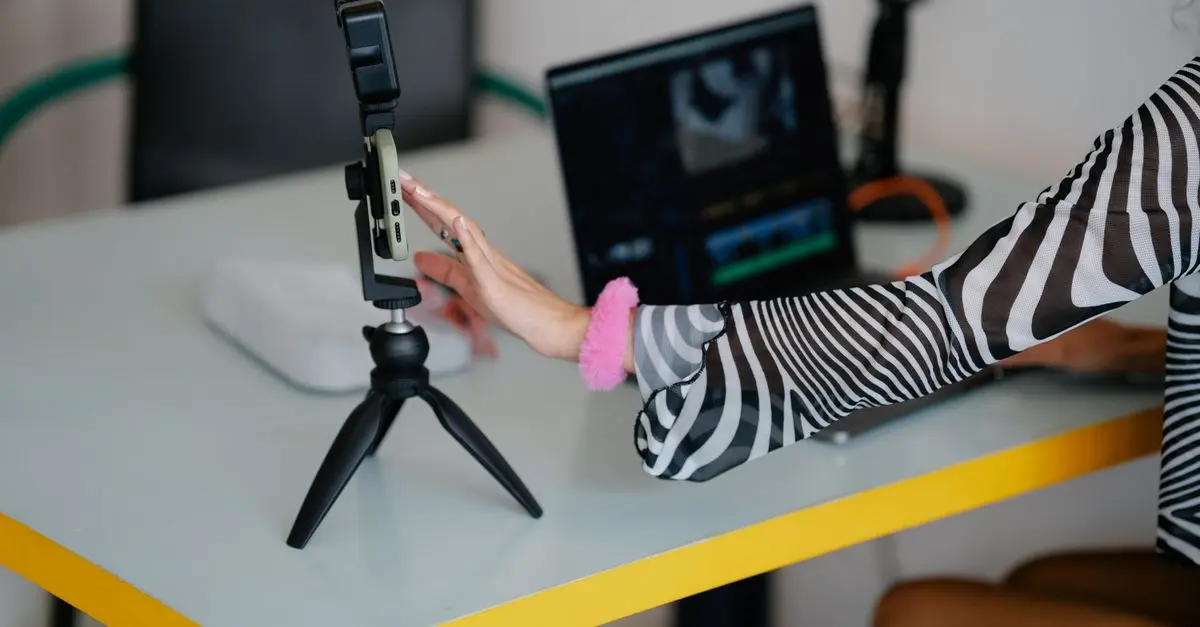
Video content continues to dominate social media platforms. In 2026, we anticipate that influencer marketing strategies will increasingly incorporate short-form video formats, such as TikTok and Instagram Reels. According to Les Numériques (2025), video content is 50 times more likely to drive organic engagement than other types of content.
This emphasizes the need for brands to equip influencers with the tools to create engaging, authentic videos. Development of branded video content in collaboration with influencers not only enhances storytelling but also captures audience attention more effectively. Companies that adapt their strategies to focus on video will likely experience higher ROI and improved brand visibility.


3. Collaborative Campaigns and Affiliate Programs
The emergence of collaborative influencer campaigns is on the rise in 2026. Brands are leveraging partnerships among influencers to create synergistic marketing efforts that amplify reach and authenticity. For instance, multi-influencer campaigns allow for diverse perspectives while capturing the attention of multiple follower bases.
Formats like affiliate programs, where influencers receive commissions for driving sales, are increasingly popular. A study by INSEE (2025) revealed that influencers participating in affiliate programs generate up to 20% more revenue for brands compared to traditional marketing methods. These partnerships provide influencers with incentive structures while enabling brands to track their return on investment effectively.
4. Emphasis on Sustainability and Social Responsibility
Today's consumers prioritize brands that reflect their values, including sustainability and social responsibility. In 2026, influencer marketing will increasingly focus on these aspects, with influencers advocating for environmentally conscious brands, ethical practices, and social causes.
Brands collaborating with influencers known for their commitment to sustainability will appeal to a growing demographic passionate about these issues. According to 60 Millions de Consommateurs (2025), 73% of consumers are willing to pay extra for sustainable products, showing a clear market demand for socially responsible marketing.
5. Enhanced Use of AI and Analysis Tools
As artificial intelligence technology continues to advance, brands will increasingly incorporate AI tools to streamline influencer marketing efforts. In 2026, data analytics will play a crucial role in identifying the right influencers and predicting campaign performance.
AI-driven platforms can analyze audience demographics, engagement rates, and content effectiveness, providing brands with actionable insights. This data-driven approach ensures that marketing strategies are continuously optimized for performance, helping brands allocate resources more efficiently and effectively.
6. Interactive and Immersive Experiences
In 2026, influencer marketing is expected to shift towards creating more interactive and immersive experiences. As virtual reality (VR) and augmented reality (AR) technologies become more mainstream, brands will experiment with virtual product launches and immersive brand storytelling involving influencers.
For example, AR filters and VR showrooms enable consumers to interact with products in innovative ways. This trend not only enhances consumer engagement but also strengthens brand connection, fostering deeper emotional ties to the brand and its products.
7. Diversification of Platforms
As influencer marketing evolves, brands will increasingly diversify their presence across various platforms. While Instagram and TikTok are currently the frontrunners, platforms like Discord, Twitch, and Clubhouse are gaining traction, especially among younger audiences.
In 2026, innovative brands will gravitate towards less traditional social platforms to reach niche audiences simultaneously. Brands that adapt their influencer strategies to fit the unique characteristics of various platforms will likely see more comprehensive reach and engagement across different demographics.
8. Regional and Local Influencer Focus
An increasing number of brands are recognizing the value of collaborating with local and regional influencers. In 2026, this trend will gain significance as brands aim to build stronger community ties and connection with regional audiences.
Local influencers often resonate more with their followers due to shared cultural and geographical factors, leading to enhanced trust and engagement. By working with local influencers, brands can create campaigns that authentically reflect regional sentiments and preferences, establishing deeper connections with their audience.
9. Longer-Form Content and Storytelling
While brevity has been a hallmark of social media, we predict that 2026 will see a resurgence in longer-form content as influencers take to blogs, podcasts, and YouTube to provide more in-depth narratives. This approach allows for detailed storytelling and complex product explanations that can create a more engaging user experience.
Brands should encourage influencers to delve deeper into topics related to their products, helping consumers make informed decisions while establishing authority within specific niches. This long-form content can also drive significant SEO benefits, enhancing brand visibility through search engines.
10. Stronger Focus on Analytics and Performance Metrics
Finally, as the influencer marketing landscape becomes more competitive, brands will increasingly rely on robust performance metrics to evaluate influencer campaigns. In 2026, marketers will need to adapt their strategies based on data and analytics, assessing more than just engagement rates.
Comprehensive performance analysis will include tracking conversions, customer sentiment, and audience growth over time. Brands that invest in understanding their campaign analytics will be better equipped to refine their strategies, ensuring that influencer partnerships yield the desired results.
📺 Resource Video
> For further insights, check out [Understanding the Evolution of Influencer Marketing] to learn more about trends and their impacts. Search on YouTube: "influencer marketing trends 2026".
Checklist before Implementing Influencer Campaigns
- [ ] Define the targeted influencer type (micro, macro, etc.)
- [ ] Assess which platforms to utilize
- [ ] Determine objectives for influencer collaborations
- [ ] Analyze potential influencers' engagement and authenticity
- [ ] Set performance metrics for measuring success
Glossary
| Term | Definition |
|---|---|
| Micro-Influencer | An influencer with a smaller follower base, typically under 10,000, known for high engagement rates. |
| Affiliate Program | A marketing strategy where influencers earn commissions for driving sales through their recommendations. |
| AR Technology | Augmented Reality technology that overlays digital content on the real world, enhancing user experience. |
> 🧠 Quick Quiz: Which trend do you think will shape influencer marketing most in 2026?
> - A) Video Content
> - B) Micro-Influencers
> - C) Sustainability Practices
> Answer: B — Micro-influencers are expected to dominate due to their authenticity and engagement.
📺 Pour aller plus loin : influencer marketing trends 2026 sur YouTube
Recommended products
Selected by our experts
Qualimax Marketing Inc Warming Leg Rest Massager
sharperimage.com
This product is perfect for influencer marketing campaigns that focus on wellness, providing comfort for long hours of content creation.
Paradise Marketing Illumination Plug
adamandeve.com
Ideal for influencers engaging audiences with unique experiences, enhancing personal connections during content creation.