Table of Contents (10 sections)
Creating a successful influencer marketing strategy is essential in today's digital landscape. With an increasing number of consumers relying on social proof to make purchasing decisions, developing a solid approach can significantly enhance your brand's visibility and profitability. In this guide, we will take you through the essential steps to crafting an influencer strategy that aligns with your business goals.
1. Define Your Goals
Before diving into the world of influencer marketing, the first step in crafting your influencer strategy is to define your goals clearly. What do you want to achieve through your influencer partnerships? Common objectives might include:
- Increasing Brand Awareness: If your goal is to introduce your brand to a broader audience, you might want to collaborate with influencers who have substantial reach.
- Driving Engagement: If engagement is your target, consider partnering with micro-influencers who foster a more intimate connection with their followers.
- Boosting Sales: To drive conversions, choose influencers whose audiences match your target market and leverage trackable promotions or discount codes.
Researching similar influencer campaigns can provide insight into achievable goals. According to a study by eMarketer, 63% of brands report achieving increased visibility when setting clear influencer marketing objectives. To maximize the likelihood of success, ensure your goals are SMART: Specific, Measurable, Achievable, Relevant, and Time-bound.
2. Identify Your Target Audience
Understanding your target audience is critical to ensuring your influencer strategy resonates effectively. Start by analyzing your current customer base – demographics, psychographics, and purchase behaviors are vital elements to consider. You can use tools like Google Analytics, social media insights, or customer surveys to gather this information.
Consider creating customer personas representing your ideal audiences, helping you align your influencer partnerships accordingly. For example, if you target organic skincare users aged 25-35, seek influencers who share similar values and connect with that demographic. Moreover, statistics from Statista indicate that 49% of consumers rely on influencer recommendations for purchasing decisions, reinforcing the need to understand your audience's preferences thoroughly.
3. Research and Select Influencers
Once your goals and audience are defined, the next step in your influencer strategy is researching the right influencers. Start by listing potential influencers and analyzing their profiles based on:
- Relevance: Ensure their content aligns with your brand values and message.
- Engagement Rates: Check likes, comments, and shares relative to their follower count, a better indicator than followers alone.
- Authenticity: Choose influencers relatable to their audiences, as authenticity enhances trust.
You can leverage platforms like AspireIQ, Upfluence, or Influencity for discovering great influencer partnerships. In addition, create a scorecard to assess potential influencers based on the criteria above. Remember that quality filmmaking and genuine connections often outperform sheer follower counts.
4. Develop a Collaboration Plan
Once you’ve identified your influencers, it’s time to develop a collaboration plan. Define the parameters of your partnerships, which may include:
- Content Format: Will the collaboration involve sponsored posts, videos, stories, or giveaways?
- Deliverables: What specific actions do you expect from your influencers? Establish a clear outline of agreed-upon tasks, such as posts, stories, and blog features.
- Key Messages: Provide your influencers with key messages and guidelines to ensure consistency with your brand voice. However, allow them the freedom to present the content in their authentic style.
- Deliverable Timeline: Set deadlines for when content should be posted and the campaign duration.
Utilizing tools like Trello can help you stay organized and track progress efficiently. By creating a well-defined collaboration plan, you can foster successful influencer partnerships.
5. Monitor and Measure Results
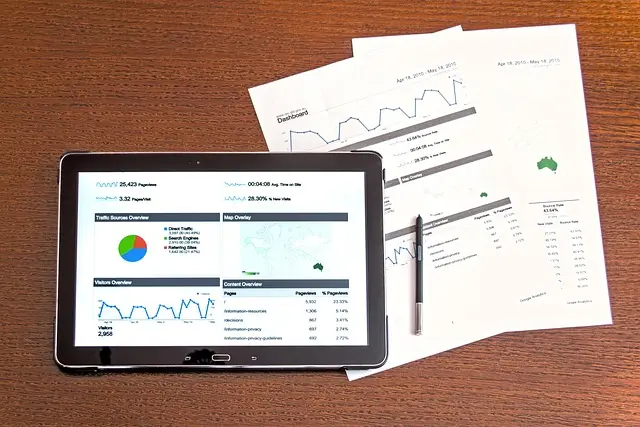
Monitoring and evaluating the results of your influencer marketing efforts is crucial for refining your strategy. Tools like Google Analytics, Bitly, or advanced social media analytics can help you capture essential metrics such as:
- Engagement Metrics: Analyze likes, comments, shares, and overall engagement rates.
- Traffic Increase: Monitor the increase in website traffic or social media followers during the campaign.
- Conversion Rates: Assess how many leads or sales resulted from your influencer collaborations using trackable links or discount codes.
Conducting a post-campaign analysis can help you identify what's working and what isn't, allowing you to optimize future influencer collaborations. Based on findings from Influencer Marketing Hub, 90% of marketers believe influencer marketing to be effective, further emphasizing the importance of continuous monitoring.
6. Build Long-Term Relationships
Successful influencer marketing is not merely transactional; it's about nurturing long-term connections. Engaging in ongoing partnerships can enhance brand loyalty from both the influencer and their followers. Consider:
- Consistent Communication: Foster open communication, ensuring your influencer feels valued and heard.
- Recognition and Appreciation: Acknowledge their contributions publicly, whether through shout-outs, invitations to brand events, or featuring them in your social media.
- Feedback Loop: Regularly ask for feedback to improve future collaborations and address any issues promptly. This approach helps build trust and respect, allowing for future collaborations.
Such strategies lead to mutually beneficial relationships, where influencers genuinely advocate for your brand.
📺 Resource Video
> 📺 For further insights: Watch our video on effective influencer strategies. Search on YouTube: "crafting influencer strategy 2026".
Checklist before Launching Your Influencer Strategy
- [ ] Define clear objectives.
- [ ] Understand your target audience.
- [ ] Research suitable influencers.
- [ ] Develop a detailed collaboration plan.
- [ ] Monitor campaign performance metrics.
Glossary
| Terme | Définition |
|---|
| Influencer | A person who has the power to affect the purchasing decisions of others due to their authority or knowledge.
| Engagement Rate | A metric measuring the level of interaction or engagement on a post compared to the total followers.
| Brand Awareness | The extent to which consumers recognize or are familiar with a brand.
🧠 Quiz rapide: What is the primary goal of defining objectives in an influencer strategy?
- A) To establish clear metrics
- B) To increase follower count
- C) To communicate with other brands
Réponse: A — Establishing clear objectives helps align influencer efforts with brand goals.
📺 Pour aller plus loin : crafting influencer strategy 2026 sur YouTube