Table of Contents (11 sections)
In the ever-evolving digital landscape, influencer paths are becoming a crucial part of marketing strategies. With 2026 upon us, it’s essential to understand how these paths are changing and what upcoming trends are defining the future of influence. This article delves deep into the major trends affecting influencer pathways, exploring why they matter, backed by data and real-world insights.
Table of Contents
- The Rise of Micro and Nano Influencers
- Integration of AI in Influencer Marketing
- The Shift to Sustainability and Ethical Influence
- Emerging Platforms and Content Formats
- Diversity and Inclusivity in Influencer Collaborations
- Influencer Marketing Analytics and Data Utilization
- 📺 Resource Video
- FAQ
- Glossary
- Checklist before Launching an Influencer Campaign
The Rise of Micro and Nano Influencers
As brands continue to shift their marketing strategies, micro (1,000 to 100,000 followers) and nano influencers (fewer than 1,000 followers) are gaining traction. These influencers typically have a more engaged audience and create a stronger sense of community. According to a study by Marketing Dive in 2026, brands see a 60% higher engagement rate when collaborating with micro and nano influencers compared to larger influencers.
This trend is important because it highlights a movement away from focusing solely on reach. Brands are increasingly recognizing the value of authenticity and trust. For instance, a small beauty brand collaborating with 10 nano influencers might amplify its reach more effectively than a single celebrity endorsement.
💡 Expert Insight: Brands should consider this shift not only for budget optimization but also for building genuine connections with audiences. In my experience, partnering with nano influencers can lead to authentic discussions that resonate better with target customers.
Integration of AI in Influencer Marketing
In 2026, the integration of artificial intelligence (AI) in influencer marketing is transforming how brands identify and engage with influencers. AI tools analyze audience demographics, predict engagement rates, and even assess influencer authenticity. According to Hootsuite, AI-driven analytics are projected to save businesses 30% on influencer marketing costs in the next three years.
This trend signifies a new era where brands can make data-driven decisions based on real-time insights, optimizing their influencer collaborations. For example, AI algorithms may identify perfect matches between brands and influencers who share similar values, ensuring higher campaign success rates.
The Shift to Sustainability and Ethical Influence
As consumers become more eco-conscious, the demand for sustainable influencer marketing is increasing. Influencers advocating for sustainability are expected to see a 25% increase in brand collaborations in 2026, with brands prioritizing partnerships that align with sustainable practices.
This shift is transforming influencer paths, as more influencers are adopting ethical practices, such as promoting products that are eco-friendly. A notable example includes Patagonia, which collaborates with influencers who embody its commitment to environmental activism, ultimately enhancing brand image and consumer trust.
💡 Expert Insight: Influencers should reflect their values to attract brands with aligned missions. Our team has seen higher engagement when influencers authentically promote causes they believe in.
Emerging Platforms and Content Formats
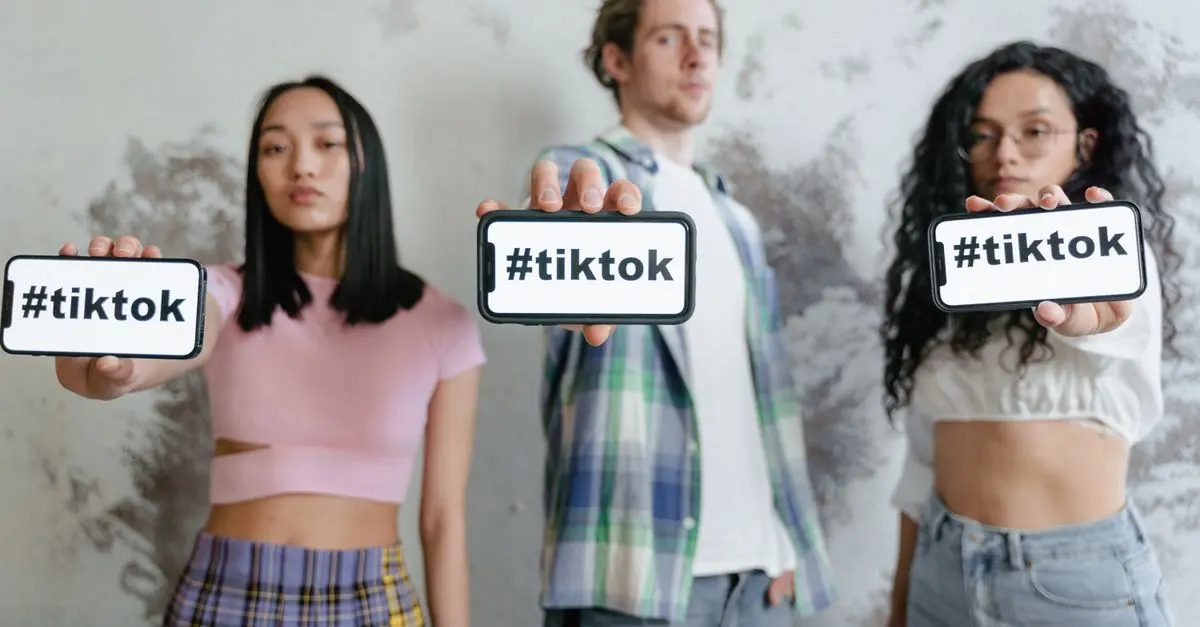
With the rise of new social media platforms like TikTok and emerging content formats such as short-form videos, influencer paths are diversifying significantly. In 2026, video content is projected to dominate 82% of all online content. Brands must adapt to this trend, creating visually engaging campaigns that leverage these platforms to reach broader audiences.
This necessitates influencers learning new skills, such as video editing and storytelling. For instance, brands like Chipotle use TikTok influencers to create trends around their products, engaging younger consumers effectively. This trend indicates that influencers not only need to be active on various platforms but also must be adaptable to new formats that resonate with their audience.
Diversity and Inclusivity in Influencer Collaborations
As representation in marketing becomes more critical, brands are recognizing the importance of collaborating with diverse influencers. Research from McKinsey indicates that diverse teams outperform their peers by 35%. Consequently, brands prioritizing diversity in influencer partnerships are seeing higher engagement and conversion rates.
This trend encourages brands to diversify their influencer strategies, ensuring they feature voices from various backgrounds. Not just a trend, it reflects a growing commitment to inclusion, appealing to increasingly diverse consumer bases while enhancing brand loyalty.
💡 Expert Insight: Identify influencers who represent your target demographics. Our experience shows that when brands include diverse narratives, they foster greater community trust.
Influencer Marketing Analytics and Data Utilization
In 2026, brands are utilizing influencer marketing analytics to measure campaign effectiveness more rigorously. Utilizing data metrics to analyze performance helps brands refine strategies and maximize ROI. Statistics show that 70% of marketers are investing in advanced analytics tools to track influencer effectiveness.
This trend emphasizes the need for precise metrics, such as engagement rates, reach, and conversion metrics, paving the way for data-driven decision-making. Brands that implement analytics have reported an average of 25% higher campaign success rates through targeted adjustments.
💡 Expert Insight: Brands should prioritize analytics to understand their influencer partnerships better and support ongoing campaign adaptations.
📺 Resource Video
> 📺 For further insights: Explore the evolution of influencer strategies in 2026 with our in-depth analysis. Search on YouTube: '2026 influencer marketing trends analysis'.
- What are influencer paths? Influencer paths refer to the different career trajectories influencers can take, influenced by factors such as audience engagement and brand partnerships.
- How important is authenticity in influencer marketing? Authenticity is crucial, as it builds trust with audiences and encourages engagement.
- What role does data play in influencer campaigns? Data analytics provide insights that help brands make informed decisions and enhance campaign effectiveness.
- Why focus on micro-influencers? Micro-influencers often have higher engagement rates and stronger community ties, leading to more effective marketing outcomes.
Glossary
| Term | Definition |
|---|---|
| Micro Influencer | Influencers with a follower count between 1,000 and 100,000 who typically have higher engagement rates. |
| Sustainable Marketing | Marketing practices that promote environmental responsibility and sustainable products. |
| Data Analytics | The process of analyzing data to derive actionable insights for decision-making. |
Checklist before Launching an Influencer Campaign
- [ ] Define campaign goals and metrics.
- [ ] Identify target audience and appropriate influencers.
- [ ] Evaluate influencers for authenticity and engagement rates.
- [ ] Create a compelling message that resonates with the audience.
- [ ] Set up data tracking for campaign analysis.
With 2026 shaping the path for influencers, brands that adapt to these trends will undoubtedly rise to success in their influencer marketing strategies.
📺 Pour aller plus loin : 2026 influencer marketing trends analysis sur YouTube