Table of Contents (11 sections)
In the evolving landscape of digital marketing, analytics plays a vital role for influencers seeking to optimize their strategies and enhance audience engagement. Analytics provides insights into audience behavior, preferences, and trends, allowing influencers to tailor their content. Understanding how to effectively use analytics can be the difference between stagnation and growth in an influencer's career. This tutorial will guide you through the importance of analytics and provide actionable steps to integrate these tools into your influencer journey.
1. Understand the Importance of Analytics for Influencers
To start leveraging analytics effectively, it’s crucial to understand what analytics are in the context of influencer marketing. Analytics refers to the measurement, collection, analysis, and reporting of data related to online activities. For influencers, analytics can help track viewer engagement, reach, and conversion rates, which are essential for evaluating the effectiveness of campaigns.
Why should influencers care about analytics? According to studies, brands are increasingly prioritizing data-driven decisions. In 2025, 90% of marketers stated that data insights are vital for campaigns. This shows that analytics are no longer optional; they are essential. By leveraging data, influencers can ensure that their content resonates with their audience and meets their interests. For instance, if an influencer discovers that a specific type of post boosts engagement rates significantly, they can focus on producing similar content, thus maximizing their reach and impact.
2. Choosing the Right Analytics Tools
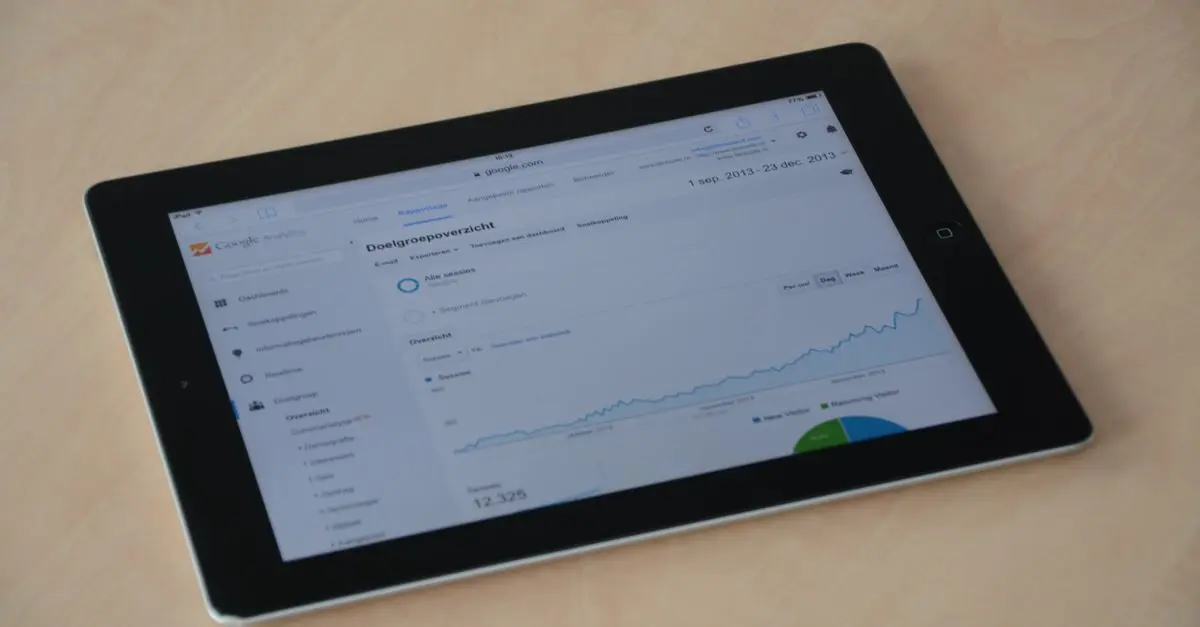
The next step involves selecting the appropriate analytics tools that align with your influencer strategies. Various platforms offer distinct features that cater to different needs. Popular options include Google Analytics, which provides comprehensive insights into website traffic, and social media tools like Instagram Insights and Twitter Analytics, which analyze engagement on those specific platforms.
When choosing tools, consider the following:
- Usability: Are the tools user-friendly? Look for clean interfaces and straightforward navigation.
- Features: What metrics do you need? Ensure the tool covers engagement rates, demographics, and referral sources.
- Integrations: Can the tool connect with your existing platforms? Seamless integration simplifies the analysis process.
- Cost: Evaluate your budget. Many platforms offer free basic versions.
Making the right choice here can streamline your analytics process, allowing you to focus on content creation instead of getting bogged down in data collection.
3. Setup and Configure Your Analytics
After selecting your tools, it's necessary to set up and configure your analytics to collect relevant data. For Google Analytics, you need to integrate the tracking code into your website. If you're using social media analytics, ensure your accounts are properly linked.
Don’t forget to define your goals. What do you want to achieve? More followers? Increased engagement? Understanding your objectives allows you to focus your analytics on those specific areas. For instance, if your goal is to increase subscribers on YouTube, you should monitor metrics such as views, watch time, and subscriber growth over specific periods.
Checking your metrics regularly can unveil patterns in user behavior, helping you adjust your strategies proactively.
4. Analyze Audience Engagement Metrics
Once your setup is complete, delve into analyzing audience engagement metrics. Understanding how users interact with your content is crucial. Key metrics include:
- Likes and Shares: Indicate content resonance.
- Comments: Provide qualitative feedback.
- Reach and Impressions: Show how many individuals see your content.
- Demographics: Identify who your followers are (age, gender, location).
Regularly analyzing these metrics helps in refining your strategies. For instance, if certain posts consistently receive high engagement, consider replicating those styles or topics. Also, tools like BuzzSumo can help you compare your performance against competitors, revealing trends in your niche that you shouldn’t overlook.
5. Frequent Adjustments and Strategies Based on Data
The digital marketing landscape is ever-evolving, necessitating that influencers refine their strategies based on the analytics data. Regular monitoring of performance helps identify what works and what doesn’t.
Here are some strategies influenced by data:
- Content Adaptation: Create more content aligned with popular audience interests. If video content outperforms static posts, consider focusing on video.
- Posting Schedules: Analyze when your audience is most active. Developing a posting schedule that aligns with peak activity times can significantly increase engagement.
- Engagement Techniques: If your audience responds well to polls or questions, make them a regular part of your content strategy.
Engaging with your audience based on insights also fosters community, leading to better overall loyalty and engagement.
6. Reporting and Measuring Success
Create regular reports using your chosen tools to measure success quantitatively. Popular formats for reporting include monthly or quarterly summaries that showcase key metrics. Google Data Studio can be an excellent visualization tool for this purpose.
In your reports, include:
- Total engagement rates
- Growth in followers
- Conversion rates based on call-to-action triggers
- Insights from audience demographics
These reports not only help you track your performance but also present an easy-to-digest overview when dealing with brand partnerships.
📺 Resource Video
> 📺 For further understanding: Watch this detailed analysis on using analytics for influencers. Search on YouTube: analytics for influencers tutorial 2026.
Glossary
| Term | Definition |
|---|---|
| Analytics | The systematic computational analysis of data or statistics to gain insights. |
| Engagement | Interaction from audiences, such as likes, shares, comments, and follows. |
| Demographics | Statistical data relating to the population and particular groups within it. |
Checklist for Influencers Using Analytics
- [ ] Set up Google Analytics for your website.
- [ ] Integrate analytics tools with all social media accounts.
- [ ] Identify and document specific goals for analytics.
- [ ] Analyze key engagement metrics regularly.
- [ ] Produce reports on a monthly basis to measure success.
🧠 Quick Quiz: How often should influencers check their analytics?
- A) Once a year
- B) Monthly
- C) Daily
Answer: B — Monthly checks allow for timely adjustments to strategies.
Conclusion
Implementing analytics effectively can significantly enhance your ability to engage with your audience and grow your influence. Regularly evaluating data helps you stay ahead in the competitive influencer market. By taking action based on insights, you pave the way for sustained growth and deeper audience connections.
📺 Pour aller plus loin : analytics for influencers tutorial 2026 sur YouTube