Table of Contents (14 sections)
Building a strong influencer community is essential for brands looking to enhance their marketing strategies in 2026. In a world where traditional advertising is often overlooked, influencers serve as trusted connectors between brands and consumers. Influencer community building involves fostering relationships among influencers who share similar interests and passions, increasing brand visibility and engagement.
Step 1: Define Your Goals and Purpose
Before diving into influencer community building, it's crucial to clearly define your goals. Are you looking to increase brand awareness, drive sales, or enhance customer loyalty? Establishing your purpose helps to align your efforts and shapes the type of influencers you want to engage. For example, a fashion brand may focus on collaborating with lifestyle influencers to showcase products authentically. Setting measurable goals allows you to track your progress and adjust your strategy accordingly.
Step 2: Identify Relevant Influencers
The next step in influencer community building is identifying the right influencers who align with your brand's values and target audience. Utilize tools like Upfluence or AspireIQ to find potential influencers within your niche. Look for those with genuine engagement and a committed following rather than solely focusing on follower counts. According to a study by Mediakix, 70% of teenage YouTube subscribers relate to influencers more than traditional celebrities, indicating the growing importance of authentic voices in marketing.
Step 3: Create Engagement Opportunities
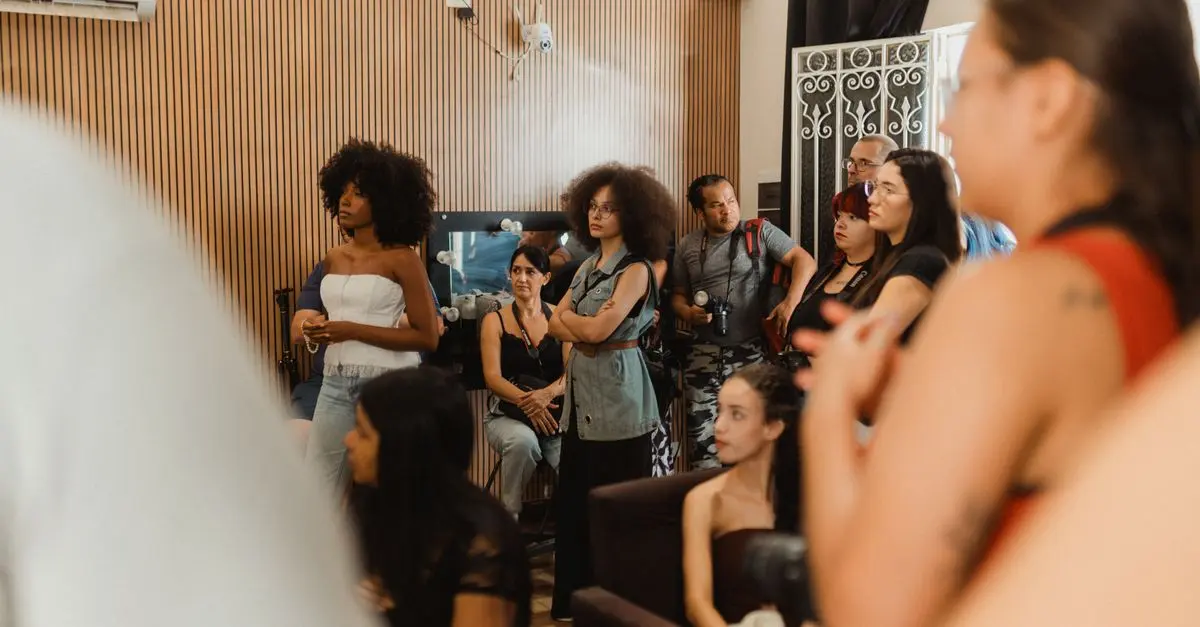
Once you've identified potential influencers, create various engagement opportunities. This can include hosting exclusive events, product launches, or virtual workshops where influencers can learn about your brand and products. For instance, organizing a meet-and-greet can provide influencers an opportunity to connect with each other and share their experiences with your products. Engaging influencers can motivate them to advocate for your brand and foster relationships among themselves.
Step 4: Foster Relationships
Building a community is about creating lasting relationships. Regularly communicate with your influencers, update them on company news, and invite them to participate in campaigns. Personalized communication builds trust and makes influencers feel valued. An example of this is Nike, which collaborates with specific influencers regularly, creating an ongoing dialogue rather than one-off interactions. Furthermore, consider hosting monthly check-ins or providing a feedback channel to strengthen these relationships over time.
Step 5: Measure and Iterate
After establishing your influencer community, it's essential to measure the effectiveness of your efforts. Use analytics tools to monitor engagement levels, traffic generated from influencer posts, and conversion rates. Adjust your strategy based on the data collected. For instance, if influencer collaborations lead to high traffic but low conversion, revisit your content or offer details to enhance appeal. Influencity and HypeAuditor are useful platforms for tracking these metrics and gaining insights into your campaigns.
Step 6: Encourage User-Generated Content
Motivate your influencers to create and share user-generated content (UGC) which showcases your products authentically. UGC often results in higher engagement and trust from their followers. Brands like Coca-Cola have successfully utilized UGC in their marketing campaigns, showcasing customers enjoying their products. Encouraging your influencer community to contribute their content also enhances a sense of belonging within the community.
Step 7: Build a Supportive Environment
Creating a supportive environment is fundamental for a thriving influencer community. Encourage collaboration among influencers by facilitating partnerships on projects or campaigns. You can create shared spaces, such as a dedicated online forum or group, where influencers can share tips, ask questions, and collaborate. This community interaction elevates the overall experience and encourages influencers to stay engaged with your brand.
Step 8: Stay Adaptable
Finally, influencer marketing is ever-evolving. Stay up-to-date with trends and changes in the influencer landscape, adapting your strategy as required. Regularly solicit feedback from your influencer community regarding their needs and preferences to ensure your approach remains relevant and effective.
💡 Expert Opinion: According to HubSpot, brands see a $6.50 return for every $1 spent on influencer marketing. Investing in community building can significantly amplify these results.
📺 Resource Video
> 📺 For more insights: Building a Successful Influencer Community, an analysis of community strategies that drive engagement. Search on YouTube: "building influencer community 2026".
Conclusion
Building an influencer community is a dynamic process that involves strategic planning and genuine engagement. By defining clear goals, fostering relationships, and being adaptable, you can create a vibrant community that not only promotes your brand but also fosters loyalty among followers.
Checklist for Building Your Influencer Community
- [ ] Define your goals and purpose
- [ ] Identify relevant influencers
- [ ] Create engagement opportunities
- [ ] Foster relationships with influencers
- [ ] Measure and iterate strategies
- [ ] Encourage user-generated content
- [ ] Build a supportive environment
- [ ] Stay adaptable to trends
Glossary
| Term | Definition |
|---|---|
| Influencer | An individual with the power to affect the purchasing decisions of others due to their authority, knowledge, position, or relationship with their audience. |
| Community Engagement | The process of building relationships between a brand and its influencers or audience that leads to mutual benefits and engagement. |
| User-Generated Content (UGC) | Content created (such as images, videos, text) by users or customers promoting a brand, often shared through social media. |
---
📺 Pour aller plus loin : how to build an influencer community 2026 sur YouTube